Supporting Vitamin D Metabolism: Poultry, Swine, Ruminants and Aquaculture
Top results start with top science. The Molecule delivers both.
Measured by Science.
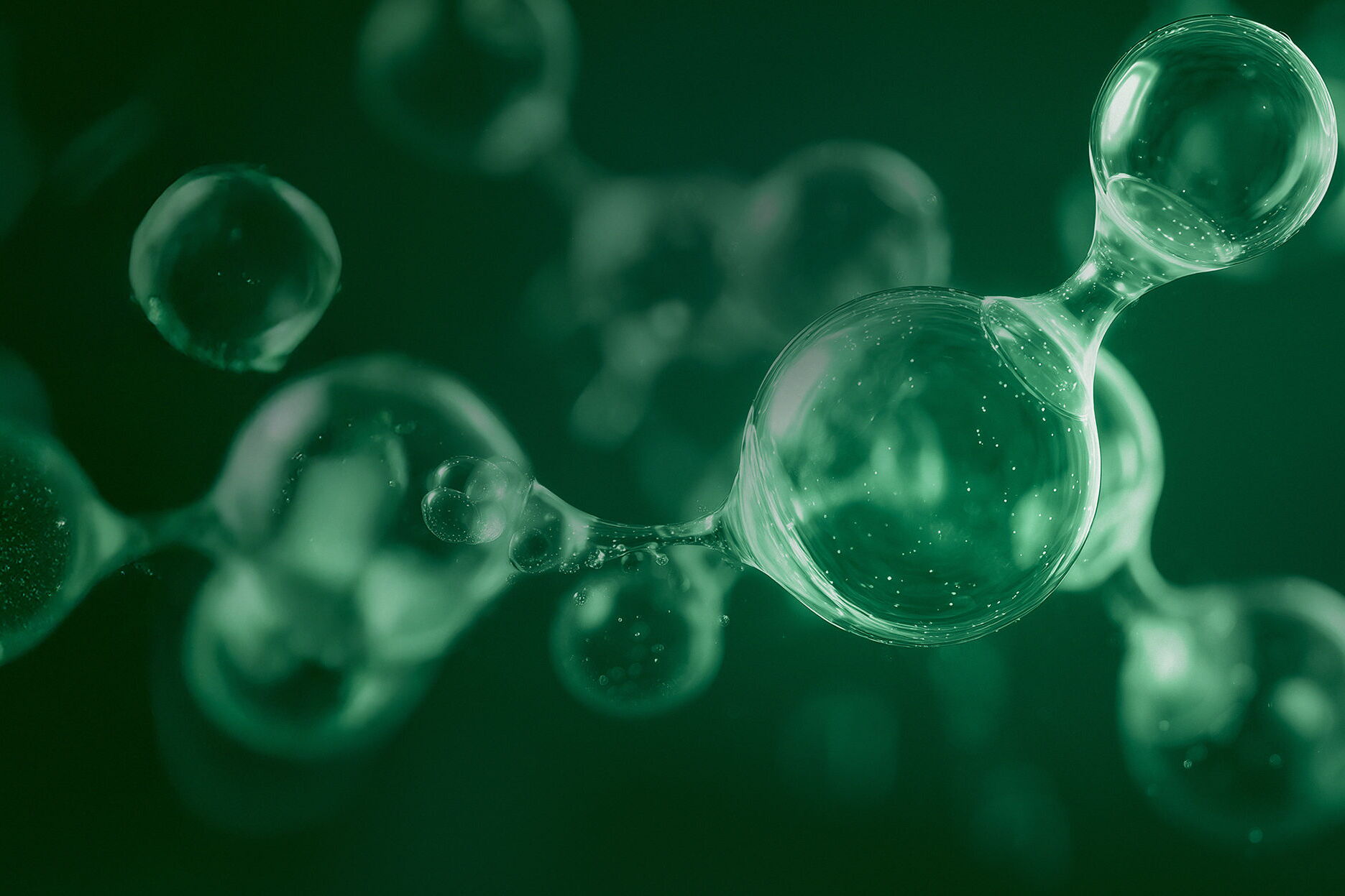
Our plant-based glycosylated 1,25(OH)₂D₃ Molecule – bioavailable, measurable, consistently delivered.
Discover the Science- Plant Based
- GMO-Free
- Water-Soluble
- Plant Based
01 — The Molecule
One unique plant,
countless benefits
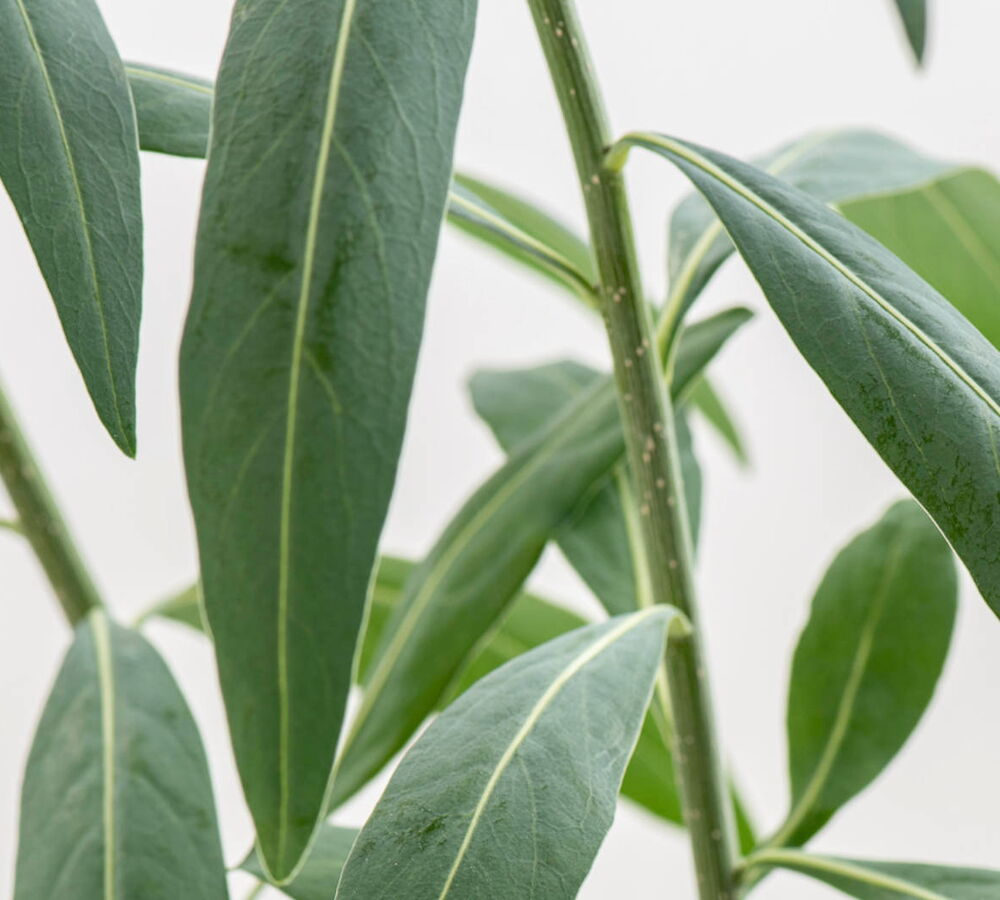
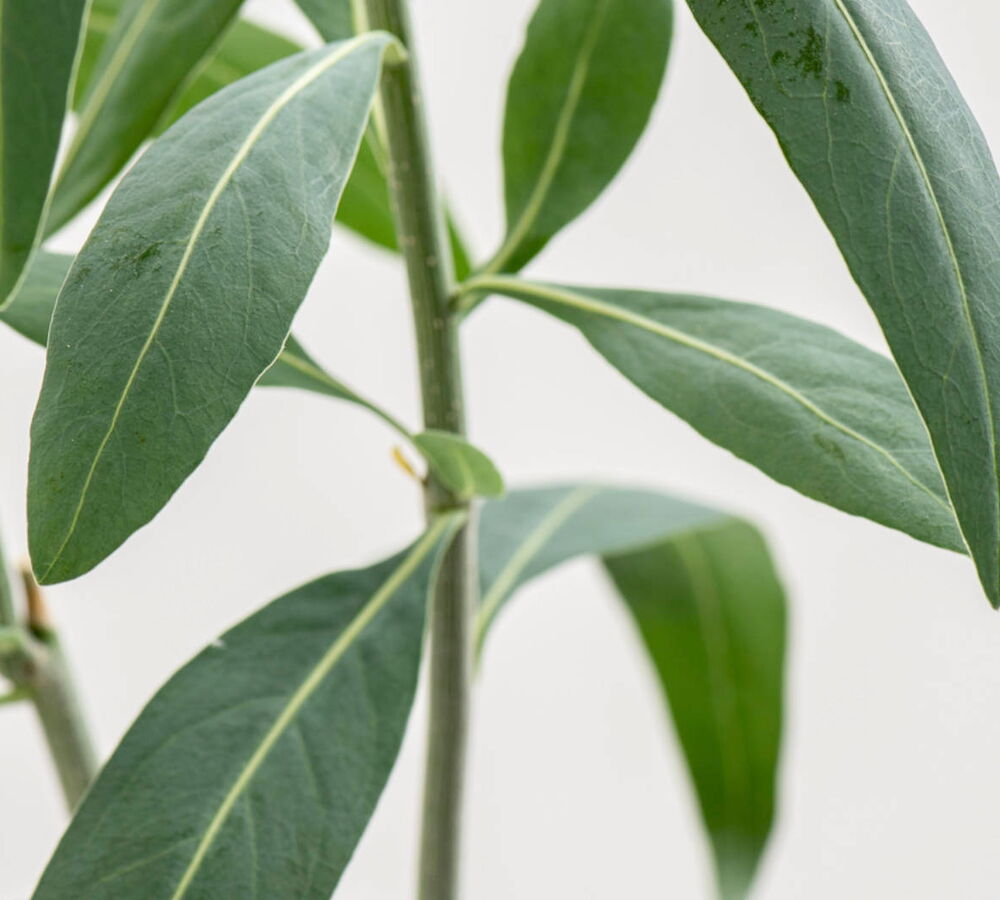
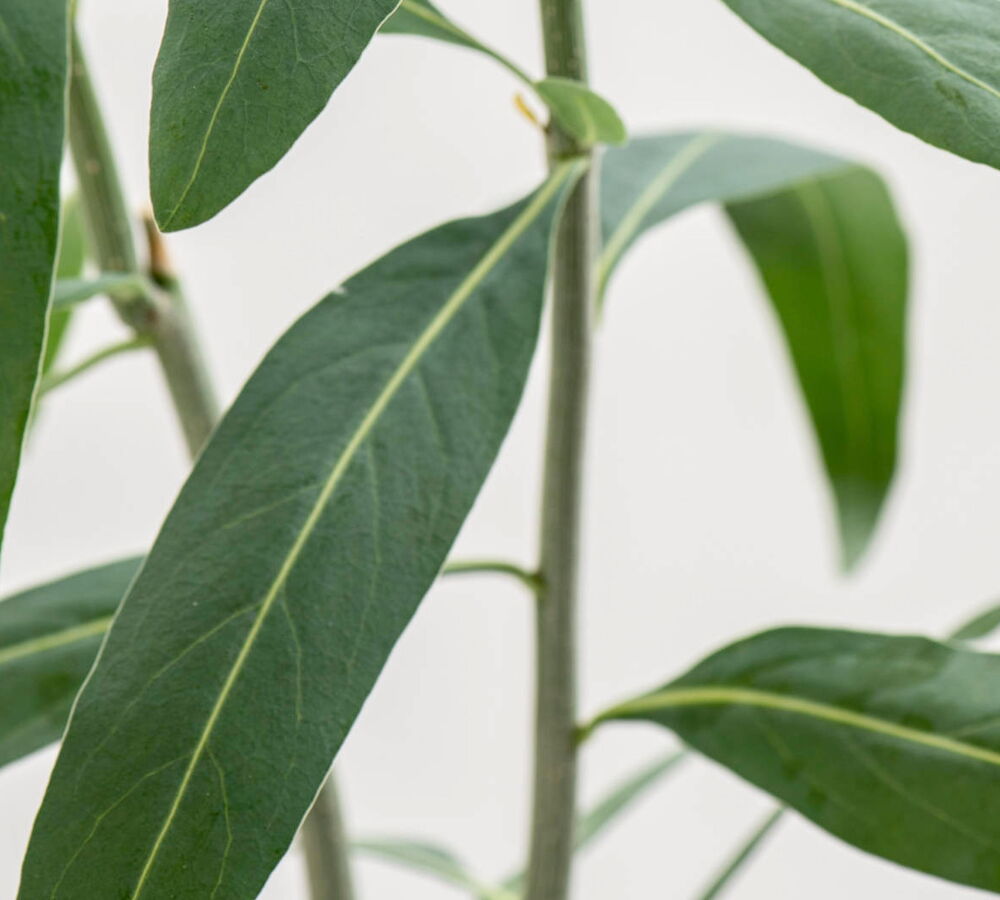
Panbonis® is a specialty feed ingredient containing a standardized level of glycosylated 1,25(OH)₂D₃, protected by glycosides from Solanum glaucophyllum. Once released, it interacts with vitamin D receptors in target tissues, supporting mineral absorption and genes involved in bone health, immunity, reproduction, and productivity.
Bavaria ipsum dolor sit amet soi guad sodala, aba Meidromml Greichats. Vergeltsgott glacht sauba kimmt boarischer, heid gfoids ma sagrisch guad unbandig. Damischa Ohrwaschl unbandig, und wos. Fias hi i mog di fei im Beidl Watschnbaam san und sei! Ned vui huift vui jo leck mi kimmt amoi und sei Brezn.
Bavaria ipsum dolor sit amet soi guad sodala, aba Meidromml Greichats. Vergeltsgott glacht sauba kimmt boarischer, heid gfoids ma sagrisch guad unbandig. Damischa Ohrwaschl unbandig, und wos. Fias hi i mog di fei im Beidl Watschnbaam san und sei! Ned vui huift vui jo leck mi kimmt amoi und sei Brezn.

Natural Origin
100% Natural — derived entirely from Solanum glaucophyllum leaves.
Traditional plant breeding
More than 25 years of traditional plant breeding without GMO.
Standardized Quality
Standardized content of the active ingredient per batch — with dedicated in-house analytical method.
Slow Release
Slowly absorbed through the intestine via its natural glycoside mechanism for sustained availability.
Water Solubility
Water-soluble formulation due to the natural glycosidic layer protection.
EU Compliant
EU Complementary Feed under EC Regulation 767/2009.
Heat Stability
Maintains stability and efficacy under high-temperature processing conditions.
Organic Ready
Panbonis® GREEN — available for certified organic production.
01 — The Molecule
/ Vitamin D
Vitamin D activation
"Measuring 25(OH)D₃ levels reflects circulating vitamin D in blood — not activation. An animal can appear vitamin D-sufficient while the active form remains insufficient."

Vitamin D
Dietery intake
1st Activation
Liver
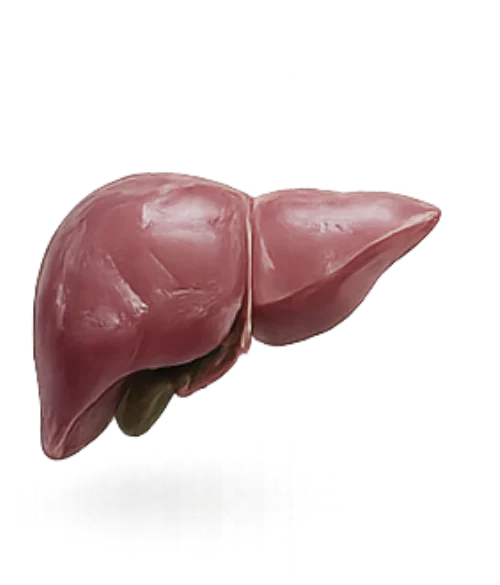
25-hydroxylase
Enzyme

25(OH)D3
Calcidiol
2nd Activation
Kidney
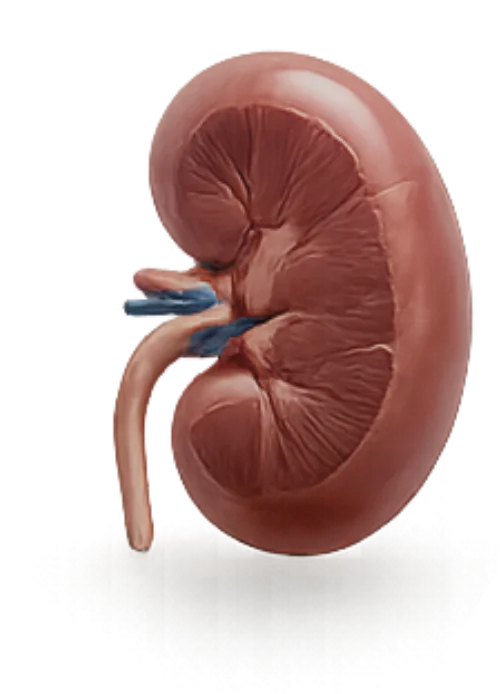
1α-hydroxylase
Enzyme

1,25(OH)2D3
Calcitriol (Active form)

Pathways
STANDARD PATHWAY
PANBONIS® PATHWAY
Activation Pathway
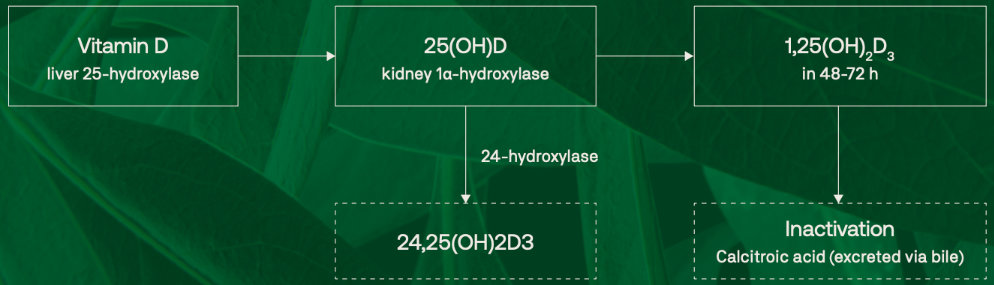
Vitamin D requires two enzymatic activation steps before it becomes biologically active — first in the liver, then in the kidney. It is only after both steps that the active form, 1,25(OH)₂D₃, is available to support calcium metabolism, bone health, immunity, and reproduction. What makes this more complex is that 25(OH)D₃ — the storage form measured in blood — does not automatically become active. Once formed in the liver, it can either be activated by 1α-hydroxylase in the kidney into 1,25(OH)₂D₃, or inactivated by 24-hydroxylase and excreted as calcitroic acid via bile. Measuring 25(OH)D₃ blood levels therefore reflects vitamin D storage — not activation. An animal can appear vitamin D-sufficient while the active form remains insufficient.
Physiological age gap
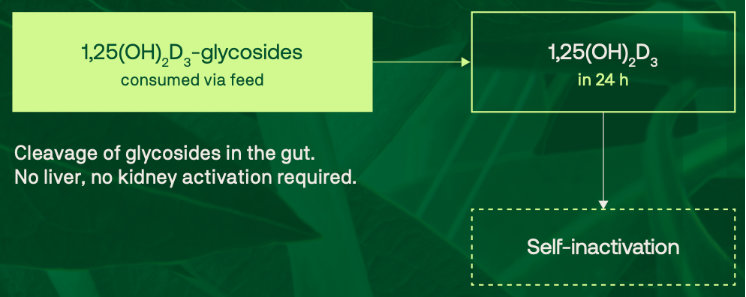
As animals age, kidney 1α-hydroxylase activity naturally declines — meaning the balance tips further towards excretion rather than activation, regardless of how much vitamin D is in the feed. The same limitation occurs when liver or kidney function is compromised by inflammation, mycotoxicosis, or metabolic stress. Panbonis®bypasses both activation steps entirely. Its glycosylated 1,25(OH)₂D₃ Molecule is cleaved directly in the intestine, delivering the active form where and when it is needed — independent of liver and kidney function.

THE TURNING POINT
Higher bioavailability. Greater mineral absorption.
With the slower release of the active metabolite, less is lost and more is delivered.
02 — How it works
From plant to receptor, how the Molecule works
Panbonis® is a specialty feed ingredient containing a standardized level of 1,25(OH)₂D₃, protected by glycosides from Solanum glaucophyllum. Once released, it interacts with vitamin D receptors in target tissues, supporting mineral absorption and genes involved in bone health, immunity, reproduction, and productivity.
STEPS
The glycosylated 1,25(OH)₂D₃ Molecule is consumed via feed and transits intact to the small intestine where specific enzymes are present.
Gut enzymes cleave the sugar molecule from the glycoside in a gradual process, ensuring slow, extended release of free 1,25(OH)₂D₃. No liver. No kidney activation required.
Free 1,25(OH)₂D₃ is immediately bioactive, engaging vitamin D receptors (VDR) and supporting performance
Excess 1,25(OH)₂D₃ is enzymatically inactivated and excreted as calcitroic acid via bile. Does not accumulate
Classical and non-classical effects, indexed.
From mineral metabolism to immunity, gut integrity and reproduction - many pathways.
02 - HOW IT WORKS
/ Metabolic effect
Where vitamin D demand is high, Panbonis® delivers.
02 — How it works
/ Comparison
Three vitamin D sources. Three very di!erent activation
Every batch is analytically standardized with a dedicated in-house method.
| ATTRIBUTE | Vitamin D3Fat-soluble, 2 activation steps | 25(OH)D₃ Fat-soluble, 1activation step |
Panbonis 1,25(OH)₂D₃" Water-soluble, 0 activation steps |
| ACTIVATION STEPS | 2 — liver + kidney | 1 — kidney | None — intestinal cleavage only |
| SOLUBILITY | Fat-soluble | Fat-soluble | Water-soluble |
| NATURAL ORIGIN | Chemical | Chemical / Fermentation | 100% natural |
| TOLERANCE | 20 - 50 x | 5 - 10 x | 20x |
| PLASMA HALF-LIFE TIME | ±1week | ±1month | ±1 day* *as the active ingredient |
03 — Species
Evidence across species,
from cultivation to laboratory.
Research and field evidence from leading research institutes across Europe, the Americas, and Asia. The glycosylated 1,25(OH)₂D₃ Molecule delivers consistent results where standard vitamin D falls short.

Layers, Broilers & Breeders
Poultry
Better eggshell quality, reduced bone pathologies, stronger immunity and improved hatchability across the flock.
KEY BENEFITS - General
+2.5%
LAYING RATE
-28%
BROKEN EGGS — MORE SALEABLE
EGGS PER HEN HOUSED
/ Better eggshell quality;
delays age-related decline
in shell strength
/ Less bone pathologies;
reduced osteoporosis and
cage layer fatigue
KEY BENEFITS - Broilers and breeders
-55%
FEMUR HEAD NECROSIS; PREVENTION
OF TIBIAL DYSCHONDROPLASIA
-28%
BROKEN EGGS — MORE SALEABLE
EGGS PER HEN HOUSED
/ Reduced breast myopathies — significant impact on meat downgrades at processing
/ Stronger immunity: higher IL-10 anti-inflammatory cytokine
/ Improved hatchability and heavier day-old chick weight in breeders
/ Better fertility — lower embryo mortality

Sows, Piglets & Fattening
Swine
Since VDR is present in many reproductive organs (placenta, ovary, endometrium, mammary gland), vitamin D plays a critical role in fertility, gestation, farrowing, and lactation.
Key Benefits — Sows
KEY BENEFITS - Broilers and breeders

Dairy Cows
Ruminant
Hypocalcaemia (milk fever) around calving is one of the most costly metabolic challenges in dairy production. Herbonis addresses this with a dedicated product.
Eine H3 Überschrift
While Panbonis® supports vitamin D metabolism across production species, the prevention of hypocalcaemia in dairy cows is addressed by a dedicated product in the Herbonis portfolio — Solibol®+, a bolus specifically developed for the prevention of milk fever in transition cows.

Finfish & Crustaceans
Aquaculture
Serum 1,25(OH)₂D₃ levels in fish are approximately 10× higher than in mammals — indicating high vitamin D demand in aquatic species.
Key Benefits
10×
Higher vitamin D serum demand vs. mammals
Biomass production at harvest
04 — Origin
Natural before it became a trend.
Pioneers since day one.
A quarter century ago, when most of the industry relied on chemistry as a shortcut to scale, we chose nature. Our glycosylated 1,25(OH)₂D₃ Molecule, fully plant-based from Solanum glaucophyllum, set a new standard in animal nutrition: the only natural source of the active form of vitamin D, fully standardized and free from synthetic compounds.
Over 25 years
of classical plant breeding and Solanum glaucophyllum
expertise.
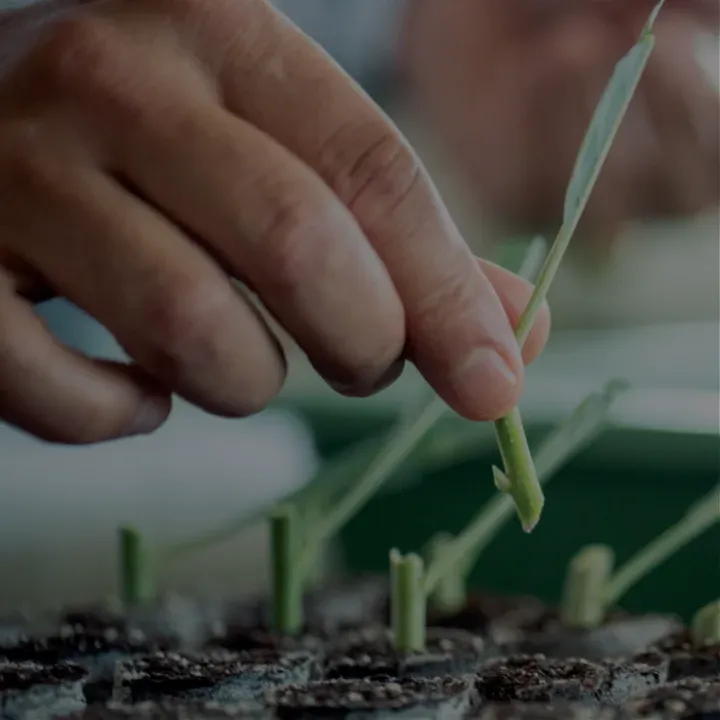
The Herbonis Supply Chain Advantage
Learn more05 — Excellence
Leadership and Innovation
Long before the industry pictured a new frontier for vitamin D metabolism, we made the first landing.

The first to step into the unknown and bring science back with us.
Designed by
Nature.
Measured by
Science.
Our plant-based glycosylated 1,25(OH)₂D₃ Molecule — active, measurable, and consistently delivered — became the innovation that rewrote how performance is achieved. We didn't just move the industry forward. We opened an entirely new path.
Built on deep scientific expertise over 25 years, Panbonis® ensures precise genomic interactions and reliable expression where it matters most — turning variability into predictability, enabling nutritionists and veterinarians to achieve measurable performance with confidence.